

What is Trading Forex?
Forex trading, or foreign exchange trading, is the process of buying and selling currencies in the global market. This decentralized market is the largest and most liquid financial market in the world, with trillions of dollars exchanged daily. Traders engage in forex trading to speculate on the value of one currency against another, seeking to profit from fluctuations in currency prices. For those looking to dive deeper into forex trading, what is trading forex fx-trading-uz.com offers resources and tools to enhance your trading experience.
How Forex Trading Works
Forex trading involves pairs of currencies, with each pair displaying the exchange rate between the two currencies involved. For instance, in the EUR/USD pair, the euro is the base currency and the US dollar is the quote currency. The exchange rate tells you how much of the quote currency you need to purchase one unit of the base currency.
When you trade forex, you’re essentially making a bet on whether the value of one currency will rise or fall against another. If you believe the euro will strengthen against the US dollar, you would buy the EUR/USD pair. Conversely, if you expect the euro to weaken, you would sell the pair. This buying and selling process forms the foundation of forex trading.
The Forex Market
The forex market operates 24 hours a day, five days a week, across major financial centers worldwide, including London, New York, Tokyo, and Sydney. This continuous trading cycle allows for high liquidity and the ability to trade at any time of day. Forex trading is typically done through brokers or financial institutions, which provide access to the market and trading platforms for retail traders.
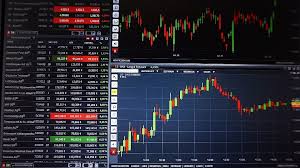
Forex brokers offer various trading platforms, tools, and educational resources to help traders make informed decisions. Some of the most popular platforms include MetaTrader 4 (MT4) and MetaTrader 5 (MT5), which provide comprehensive charting tools, technical indicators, and automated trading capabilities.
Types of Forex Trading
There are several methods of forex trading that traders can choose from, depending on their strategies and risk tolerance:
- Day Trading: Involves buying and selling currencies within the same trading day, taking advantage of short-term price movements.
- Swing Trading: Traders hold positions for several days or weeks to capitalize on intermediate price movements.
- Scalping: A high-frequency trading strategy that aims to make small profits on minute price changes, executed many times throughout the day.
- Position Trading: A long-term strategy where traders hold positions for weeks, months, or even years, focusing on fundamental analysis.
Understanding Forex Quotes
Forex quotes are presented in two forms: direct and indirect. A direct quote shows how much of the quote currency is needed to purchase one unit of the base currency, whereas an indirect quote does the opposite. Understanding how to read quotes is essential for successful trading, as it will influence your decision-making process.
Factors Influencing Currency Prices
Several factors can influence currency prices in the forex market, including:
- Interest Rates: Central banks influence currency values through their monetary policy decisions. Higher interest rates usually lead to currency appreciation.
- Economic Indicators: Reports such as GDP, employment figures, and inflation rates provide insight into a country’s economic health, affecting currency strength.
- Political Stability: Countries with stable governments are more attractive to foreign investors, strengthening their currencies.
- Market Sentiment: Traders’ perceptions and reactions to news and global events can lead to volatility in currency prices.
Forex Trading Strategies
To be successful in forex trading, traders often employ various strategies, including:
- Technical Analysis: Involves analyzing historical price data using charts and indicators to forecast future movements.
- Fundamental Analysis: Focuses on economic, political, and financial factors to determine the underlying value of a currency.
- Sentiment Analysis: Gauges traders’ sentiments based on market news and events to predict future movements.
Risks and Challenges in Forex Trading
Like any form of trading, forex trading carries inherent risks. Here are some challenges traders may face:
- Volatility: Currency prices can fluctuate dramatically, leading to significant losses if trades are not managed correctly.
- Leverage: Trading on margin can amplify profits, but it can also increase potential losses, making risk management essential.
- Emotional Control: Emotional decision-making can lead to impulsive trades, which often result in losses.
Final Thoughts
Forex trading can be an exciting and profitable venture for traders who take the time to learn the intricacies of the market. By understanding how forex trading works, developing effective strategies, and managing risks, individuals can navigate this complex market successfully. Resources like fx-trading-uz.com can provide valuable insights and tools for both novice and experienced traders. Remember, continuous learning, practice, and discipline are key to long-term success in forex trading.
