
The Ultimate Guide to Forex Trading: Strategies, Tips, and Resources
Welcome to the fascinating world of Forex trading! Whether you are a beginner seeking to learn the basics or an experienced trader looking for new strategies, this comprehensive guide will provide you with valuable insights and resources. Here, we will delve into the fundamentals of Forex trading and explore the tools and strategies you need to succeed in this dynamic market. To further enhance your trading experience, check out forex trading site kuwait-tradingplatform.com, a platform tailored for traders in Kuwait and beyond.
What is Forex Trading?
Forex, or foreign exchange, is the largest and most liquid financial market in the world. Unlike stock markets, Forex operates over-the-counter (OTC), meaning that currency transactions are conducted directly between parties rather than through centralized exchanges. The Forex market is open 24 hours a day, five days a week, allowing traders to take advantage of price fluctuations at any time.
The Basics of Currency Trading
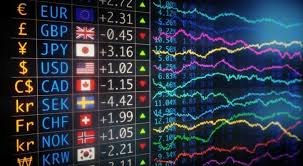
In Forex trading, currencies are traded in pairs, such as EUR/USD (Euro/US Dollar) or GBP/JPY (British Pound/Japanese Yen). Each pair consists of a base currency and a quote currency. The value of a currency pair indicates how much of the quote currency is needed to purchase one unit of the base currency. Understanding these fundamentals is crucial for entering and exiting trades effectively.
Key Terminology
- Pip: The smallest price move that a given exchange rate can make. For most currency pairs, this is equal to 0.0001.
- Spread: The difference between the bid price and the ask price of a currency pair.
- Leverage: A tool that allows traders to control a large position with a small amount of capital. This can increase both profits and losses.
- Margin: The amount of money required to open a leveraged position.
- Lot: A standardized unit of measurement for the size of a trade. A standard lot is 100,000 units of the base currency.
Types of Forex Analysis
Successful trading relies on effective analysis, and there are three primary methods used by traders to assess the market:
1. Fundamental Analysis
Fundamental analysis evaluates economic factors, political events, and central bank policies to determine currency values. Key indicators include interest rates, GDP growth, unemployment rates, and inflation. By understanding these factors, traders can anticipate potential market movements.
2. Technical Analysis
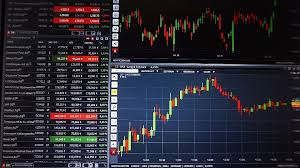
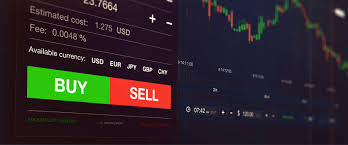
Technical analysis involves examining historical price data and using charts and indicators to forecast future price movements. Traders use various tools, such as moving averages, support and resistance levels, and trend lines to identify trading opportunities.
3. Sentiment Analysis
Sentiment analysis gauges the overall mood of market participants. This can be assessed using indicators like the Commitment of Traders (COT) report, which reveals the positions of large market players and can provide insights into potential market direction.
Developing a Trading Strategy
Having a well-defined trading strategy is essential for long-term success in Forex trading. Here are some components to consider when developing your trading plan:
1. Set Clear Objectives
Determine your financial goals, risk tolerance, and the amount of time you can dedicate to trading. This will guide your decision-making process and help you create a personalized trading plan.
2. Risk Management
Implementing effective risk management is crucial to protect your trading capital. Set stop-loss orders to limit potential losses and only risk a small percentage of your trading account on each trade.
3. Diversification
Don’t put all your eggs in one basket. Diversifying your trades across different currency pairs can help mitigate risks and increase your chances of profitability.
4. Continuous Learning
Forex trading is constantly evolving, and it’s essential to stay updated on market trends and developments. Engage with educational resources, webinars, and trading communities to enhance your knowledge and skills.
Choosing a Forex Broker
Selecting the right broker is a critical step in your trading journey. Here are some factors to consider:
1. Regulation
Ensure that the broker is regulated by a reputable authority. This provides a layer of security and ensures that the broker adheres to industry standards.
2. Trading Platforms
Look for brokers that offer reliable trading platforms with advanced tools and features. MetaTrader 4 (MT4) and MetaTrader 5 (MT5) are popular choices among traders.
3. Fees and Spreads
Compare the trading fees and spreads across different brokers. Low-cost options can significantly impact your trading profitability.
4. Customer Support
Choose a broker that offers responsive customer support to assist you with any issues or inquiries.
Conclusion
In conclusion, Forex trading offers exciting opportunities for those willing to invest time and effort into understanding the market. By mastering the basics, developing a solid trading strategy, and continuously refining your skills, you can navigate this dynamic environment effectively. Remember, the key to success lies in education, practice, and discipline. Happy trading!
